

MEMBERSHIP
Prev
Play
Next
Save the Stupey Cabin


Events & Exhibits

Events & Exhibits

Click to see our current and upcoming events and exhibits.  Stay up to date on programs and see a calender view of upcoming events.
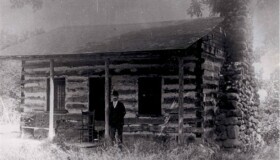
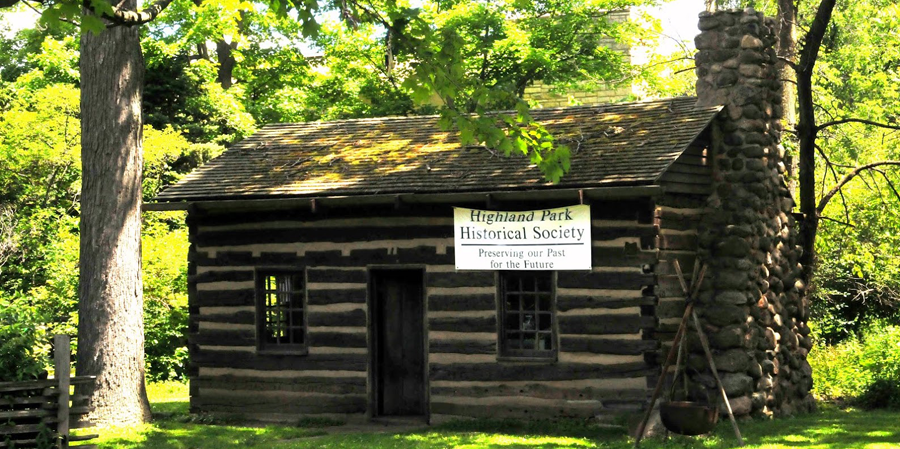
Stupey Cabin since 1847

Stupey Cabin since 1847

Built in 1847 of hand hewn, virgin White Oak Timbers, this is Highland Park’s oldest standing structure. It was a Centennial gift from Exmoor Country Club to the Highland Park Historical Society and the people of Highland Park.
Highland Park’s Natural History

Highland Park’s Natural History

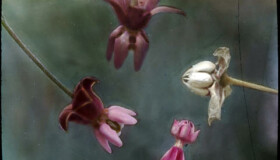
The Historical Society would like to encourage people to identify and “chalk” plants that they find in and around Highland Park and send an image of the result to archives@highlandparkhistory.org .  We are sharing some early 20th Century photographs of local plants in the Stupey Gardens in Laurel Park as examples.

Upcoming Events

Apr
23

How Alice Millard (1873-1938), Internationally Prominent Bookseller, Developed from Her Time in Highland Park

Join Simmons University Dean Emerita Michèle Cloonan at host Secret World Books (1774 2nd Street) as she discusses her new book. This talk considers the career of the pioneering book woman Alice Millard (1873-1938), who was an important rare-book dealer. She earned this distinction by selling extraordinary—and often quite costly—books to some of the most prominent collectors in the United States. The ties that Alice and her husband George Millard had to Highland Park are the focus of this talk. Their best-known connection to Highland Park was the Frank Lloyd Wright-designed prairie-style house that they commissioned. However, the Millards had other connections to the town as well. George’s younger brother, William, had lived in Highland Park since around 1880 and raised his family there. Additionally, George was friends with Everett Millard (no relation) whose family were Highland Park pioneers. Still another attraction was religious; Alice became a Christian Scientist before she met George. The Highland Park church was growing rapidly when Alice and George arrived. Another Christian Scientist, Mary M.W. Adams, had a Highland Park home designed for herself by Wright in 1905—just a year before the Millard house was built. George and Alice Millard lived in Highland Park for eight years. Their home was the setting for many book-related events. Alice spent her years in the town learning the book trade, skills she would put to work in Pasadena, California. The Millards left a permanent mark on the town through their home, and the town left a permanent mark on Alice.
Mar
31

The Conrad Seabaugh & Company: How Store Records Expand Our Understanding of Antebellum Hinterland Life

This presentation explores how to utilize the financial records of general stores and businesses to amplify the narrative of rural communities and the relationships between producers and suppliers.  I utilize records from my case study of north central Illinois in the 1830s and 40s to focus on these relationships.  In the presentation, I first explain the different types of store records that are typically found in local archives.  Then I utilize a 629-page day book from a general store and the ledger book from a grist mill from LaSalle County in the late 1830s as examples for delving deeper into local-level commercial relationships.  I use these records to discuss family-level consumer consumption, the role of gender in commercial relationships, and to breakdown conceptions of subsistence cultures in the hinterland regions of northern Illinois.  I will also discuss how these records are tied to aspects of public history in several ways.  They can bring historical perspective to these nascent communities that are often overshadowed by larger urban areas and supply invaluable genealogical information to the public.

News

Events